How AI Is Changing Wedding Planning, and How You Can Use It Without Losing the Heart of Your Wedding

I shared that I am coming back to this little wedding blog space after a long break. Today, I want to talk about something that has completely changed the way I look at handmade weddings, budget weddings, and even the emotional side of planning a big day.
That something is AI.
When I first started collecting wedding ideas, everything took time. A lot of time. We searched magazines, saved photos, printed inspiration pages, organized binders, compared vendors manually, and tried to remember which cousin needed a hotel room, which aunt preferred vegetarian meals, and which craft project still needed ribbon.
Now, couples have a completely different kind of helper.
AI can help brainstorm ideas, organize a budget, write timelines, compare options, draft emails, create wording for invitations, summarize vendor contracts, suggest DIY projects, and even help you stay calm when wedding planning starts to feel like a second job.
And yes, AI is already becoming part of the wedding industry. Recent wedding reports show that more couples are using AI during planning. The Knot reported that AI adoption among couples nearly doubled year over year to 36%, while Zola reported that more than half of its surveyed couples are using AI in some way to plan their wedding. The numbers vary by survey, but the direction is clear: AI is moving from “interesting idea” to “real planning tool.”
But here is the part I really care about.
AI should not make your wedding feel less personal.
It should help you save money, save time, reduce stress, and make better decisions so you can focus on the parts that actually matter: your love story, your family, your friends, your style, and those handmade touches that make the day feel like yours.
AI Is Like a Calm Bridesmaid Who Loves Spreadsheets
The easiest way to understand AI is this: think of it as a planning assistant.
Not your wedding planner. Not your decision-maker. Not your florist. Not your photographer. Not your mother-in-law filter, although that would be nice.
AI is more like that calm, organized friend who can sit with you at the kitchen table and say, “Let’s make a list. Let’s compare the options. Let’s write the email. Let’s not panic yet.”
That is where AI is powerful.
Wedding planning often becomes stressful because there are too many little decisions. What color palette should we choose? What is the difference between ivory and champagne? How many centerpieces do we need? What should go on the wedding website? How do I ask a vendor for a lower-cost package without sounding rude? What can I DIY, and what should I absolutely not DIY?
AI helps you get from a blank page to a starting point.
That alone can save hours.
For example, instead of staring at a notebook wondering how to plan a handmade wedding on a budget, you can ask:
AI Prompt Example:
“I am planning a handmade wedding with a soft romantic style, ivory flowers, blue accents, and a budget-conscious approach. Give me 20 affordable decoration ideas that look elegant but are easy to make.”
In seconds, you may get ideas for ribbon-tied candles, printed table numbers, bud-vase centerpieces, handmade place cards, welcome baskets, thrifted frames, or simple greenery garlands.
Will every idea be perfect? No.
But suddenly, you are not starting from zero.
AI Can Help You Find Your Wedding Style Faster
One of the hardest parts of wedding planning is figuring out your style.
Many brides say they want something “simple but elegant,” “romantic but not too formal,” or “unique but not weird.” I completely understand that. Wedding style can feel hard to describe because it is emotional.
You may know what you like when you see it, but you may not know how to explain it.
This is where AI can help translate your feelings into words.
You can describe your favorite colors, season, venue, flowers, and personality, then ask AI to create a wedding style description.
AI Prompt Example:
“My wedding is in spring. I love white roses, soft blue, sage green, vintage lace, candles, and handmade details. I want the wedding to feel romantic, personal, and not too expensive. Describe my wedding style in 5 different ways.”
AI might suggest descriptions like:
“Soft garden romance with vintage handmade details.”
“Fresh spring elegance with blue and sage accents.”
“Romantic DIY wedding style with timeless floral touches.”
Now you have words you can use when talking to vendors, shopping for supplies, creating Pinterest boards, or writing your wedding website.
This matters because clearer style language prevents waste.
When you do not have a clear vision, it is easy to buy random decorations because they are cute. Then you end up with burlap, pearls, gold chargers, seashells, neon signs, and dried lavender that do not belong together.
A clear style saves money because it helps you say no.
AI Makes Budget Planning Less Scary
Wedding budgets can feel emotional. Nobody wants to look at a spreadsheet and realize flowers, food, music, photography, invitations, tips, dresses, and alterations all cost more than expected.
But avoiding the budget does not make the budget disappear.
AI can help you create a first draft of a budget based on your guest count, priorities, and total spending goal. It can also help you compare “make, buy, rent, or skip” decisions.
The average U.S. wedding cost in 2025 was reported at $34,000 by The Knot Worldwide, with an average cost of $292 per guest. Of course, every wedding is different by location, guest count, venue type, and priorities, but those numbers explain why so many couples are looking for smarter planning tools.
Here is one way to use AI.
AI Prompt Example:
“We are planning a wedding for 80 guests with a total budget of $15,000. Our priorities are good food, photography, and a beautiful but simple reception. We want to save money on decorations, favors, and stationery. Create a realistic budget breakdown.”
AI can help you create a starting structure.
Then you can ask follow-up questions:
“What areas can we reduce without guests noticing much?”
“What items are usually not worth spending too much on?”
“What can we DIY safely?”
“What should we not DIY?”
“How can we reduce floral costs without making the wedding look empty?”
This is where AI becomes practical.
It helps you question expenses before you spend money.
AI Can Help You Compare DIY vs. Buying
As someone who loves handmade wedding details, I also need to be honest about this: DIY is not always cheaper.
Sometimes DIY saves money. Sometimes it only saves money if you already own tools, have enough time, and enjoy the process. Sometimes DIY becomes more expensive because you buy too many supplies, make mistakes, pay extra shipping, or change your mind halfway through.
AI can help you estimate the real cost.
AI Prompt Example:
“I want to make 100 wedding favors using small glass jars, ribbon, tags, and candy. Help me estimate the cost, time, supplies, and whether it is worth DIY compared to buying ready-made favors.”
AI may remind you to include jars, filling, ribbon, labels, printing, adhesive, packaging, extra supplies, and time.
This is important because a project that looks like $1 per favor can easily become $3 per favor once you include every material.
You can also ask:
“Give me 5 lower-cost alternatives.”
“How can I make this easier?”
“What part can I buy ready-made and what part can I personalize myself?”
That last question is one of my favorite strategies.
Instead of making everything from scratch, you can buy a simple base and add one handmade detail. Buy plain candles and add ribbon. Buy simple favor boxes and add custom tags. Buy printed invitations and hand-tie them with silk ribbon.
That is the sweet spot: handmade feeling without handmade exhaustion.
AI Can Help With Wedding Emails
Vendor communication is one of those tasks that sounds easy until you actually have to do it.
You may need to ask a photographer about packages, ask a venue about fees, ask a florist to revise a quote, ask a caterer about allergies, or ask a rental company about delivery timing.
Sometimes you know what you want to say, but you do not know how to say it politely.
AI can help draft emails that are clear, warm, and professional.
AI Prompt Example:
“Write a polite email to a florist. I love the proposal, but it is over our budget. Ask if they can revise it by using more greenery, fewer large arrangements, and focusing on the bridal bouquet, ceremony flowers, and simple bud vases for tables.”
AI can create a message like:
“Hi [Name], thank you so much for the beautiful floral proposal. We love the overall direction and appreciate the thought you put into it. After reviewing our budget, we are hoping to make a few adjustments while keeping the same romantic style. Would it be possible to revise the proposal with more greenery, fewer large arrangements, and a focus on the bridal bouquet, ceremony florals, and simple bud vases for the reception tables?”
That is a helpful starting point.
You can still edit it to sound like you, but you do not have to write it from scratch.
AI Can Help With Invitations and Wedding Website Wording
Writing wedding wording can be surprisingly hard.
Formal? Casual? Sweet? Short? Religious? Funny? Traditional? Modern?
AI can create options.
AI Prompt Example:
“Write 10 warm and romantic wedding website welcome messages for a couple having a small handmade wedding with family and close friends.”
You can also ask for:
Invitation wording
RSVP wording
Dress code wording
Adults-only wording
Unplugged ceremony wording
Hotel block instructions
Registry wording
Thank-you card messages
Welcome-bag notes
Ceremony program wording
This is one of the easiest ways to use AI because it removes the pressure of sounding perfect.
You can ask AI to make wording softer, shorter, more elegant, more casual, or more personal.
For example:
“Make it sound warmer.”
“Make it less formal.”
“Make it sound like a bride wrote it, not a company.”
“Make it shorter for a wedding website.”
“Make it sweet but not cheesy.”
These small edits can save so much time.
AI Can Help Create a Wedding Timeline
The wedding-day timeline is one of the most important planning documents.
A beautiful wedding can still feel stressful if nobody knows when hair starts, when flowers arrive, when photos begin, when family needs to be dressed, when transportation leaves, or when the cake is cut.
AI can create a first-draft timeline based on your ceremony time.
AI Prompt Example:
“Our ceremony is at 4:00 PM. We have 6 bridesmaids, 6 groomsmen, first look photos, family photos before the ceremony, cocktail hour from 4:30 to 5:30, reception from 5:30 to 10:00. Create a detailed wedding-day timeline.”
AI can help organize the day by hour.
Then you should review that timeline with your photographer, venue coordinator, hair and makeup team, caterer, DJ, and planner if you have one.
AI is helpful, but vendors know their real setup time, travel time, lighting needs, meal service timing, and venue rules.
Think of AI as the first draft, not the final authority.
AI Can Help You Create Checklists
Wedding checklists can become overwhelming because they often include everything for every kind of wedding.
You may not need a horse carriage, cigar bar, monogrammed napkins, five outfit changes, or a champagne tower.
AI can help you create a checklist based on your actual wedding.
AI Prompt Example:
“Create a 6-month checklist for a small handmade wedding with 60 guests, no bridal party, simple flowers, buffet dinner, DIY decorations, and a limited budget.”
This is much better than using a generic checklist because it reflects your reality.
You can also ask for weekly checklists.
“Create a checklist for the final 30 days.”
“Create a checklist for the week of the wedding.”
“Create a checklist for what to pack in the wedding emergency kit.”
“Create a checklist for DIY projects that must be finished one month before the wedding.”
This helps prevent last-minute panic.
And honestly, last-minute panic is expensive. That is when people pay rush shipping, buy duplicate supplies, make emotional upgrades, or say yes to things they never really needed.
AI Can Help With Guest List Stress
The guest list is one of the most emotional parts of wedding planning.
It affects budget, venue size, catering, seating, invitations, and family expectations.
AI cannot decide who should be invited. That is personal.
But AI can help you create decision rules.
AI Prompt Example:
“We are trying to keep our wedding guest list under 80 people. Help us create kind but firm rules for deciding who to invite.”
AI might suggest categories like immediate family, close extended family, closest friends, people you both know, and people you have spoken to within the last year.
You can also ask AI to help write polite responses when someone asks about bringing a plus-one or children.
AI Prompt Example:
“Write a kind response explaining that we are keeping our wedding small and cannot offer additional plus-ones.”
This can help you communicate with less guilt.
AI Can Help With Seating Charts
Seating charts can feel like emotional puzzle-solving.
Who gets along? Who should not sit together? Who needs easy access? Who has children? Who wants to sit near the dance floor? Who should be seated farther from speakers?
AI can help create a seating strategy.
You should not share sensitive personal details, but you can use simple labels.
AI Prompt Example:
“We have 80 guests and 10 tables of 8. Create a seating chart strategy using groups: bride family, groom family, college friends, work friends, older relatives, and family with children.”
AI can help you think through balance.
It can also suggest table names, escort-card wording, and layout tips.
For handmade weddings, AI can help create a seating display idea that fits your theme.
“Give me 10 low-cost seating chart display ideas using frames, ribbon, handmade tags, or vintage materials.”
That is where planning becomes fun again.
AI Can Help With Design, Colors, and Visual Ideas
AI tools have made design much easier for non-designers.
Canva’s Magic Design, for example, can generate design templates based on text and media, which can be useful when creating wedding signs, invitations, mood boards, menus, and social posts.
This does not mean every design will be perfect.
But it can help you create a starting point.
For example, you can ask for:
A wedding welcome sign
A signature cocktail menu
A ceremony program
A bridal shower invitation
A favor tag
A table number card
A photo-booth sign
A wedding weekend itinerary
You can then edit fonts, colors, wording, and layout to match your style.
This is especially helpful for handmade weddings because you can create a cohesive look without hiring a custom stationer for every small item.
A good wedding design does not need to be complicated. It just needs consistency.
Use the same fonts, colors, paper type, and design accents across your printed pieces. That alone makes everything feel more polished.
AI Can Help You Shop Smarter
AI can help you make better supply lists before you shop.
This is huge for DIY brides.
Instead of walking into a craft store and buying everything that looks pretty, ask AI to create a focused material list.
AI Prompt Example:
“I want to make 12 simple centerpieces using bud vases, white flowers, greenery, candles, and blue ribbon. Create a shopping list with quantities and budget-saving tips.”
AI may help you estimate:
Number of vases
Number of candles
Ribbon length
Flower stems
Greenery bunches
Table layout
Backup supplies
You can also ask:
“What can I buy from a dollar store?”
“What should I buy from a floral wholesaler?”
“What can I thrift?”
“What supplies should I avoid because they look cheap or are hard to use?”
That last question is very helpful.
Not every cheap item looks good in photos. Sometimes spending slightly more on fewer, better items creates a more elegant result.
AI Can Help With Emotional Stress
This may sound funny, but one of the best uses of AI is simply calming down the planning process.
Wedding planning can bring up money stress, family expectations, decision fatigue, body image pressure, cultural traditions, friendship issues, and perfectionism.
AI cannot replace a real conversation with your partner, family, therapist, or planner. But it can help you organize your thoughts before you have a difficult conversation.
AI Prompt Example:
“I am feeling overwhelmed because everyone has opinions about our wedding. Help me write down my priorities and create a calm plan for making decisions.”
Or:
“Help me create a kind script for telling my family we are keeping the wedding simple.”
AI can help you move from emotional reaction to clear communication.
Sometimes you just need a place to draft what you are feeling before you say it out loud.
What AI Should Not Replace
As helpful as AI is, there are still things it should not replace.
AI should not replace signed vendor contracts. It can help summarize contract language, but you should review important terms carefully and get professional advice when needed.
AI should not replace a licensed planner or coordinator for complex weddings. If you have a large guest count, multiple locations, cultural ceremonies, complicated family logistics, or a high-budget event, a human planner may save you more money and stress than you realize.
AI should not replace professional photography, floral design, catering expertise, or venue operations.
AI also should not make your wedding feel generic.
The danger of AI is that it can create pretty wording and pretty ideas that sound like everyone else.
So always add your story back in.
Your favorite flower. Your grandmother’s lace. Your first-date restaurant. Your shared love of travel. Your handmade boutonniere. Your family recipe. Your favorite song. Your personal vows.
Those are the details AI cannot create for you.
My Favorite Way to Use AI for Handmade Weddings
My favorite AI strategy is simple:
Use AI for the structure.
Use your heart for the details.
Let AI create the checklist, the timeline, the first budget draft, the email template, the wording options, and the shopping list.
Then you make it personal.
AI can say, “Use white roses and greenery.”
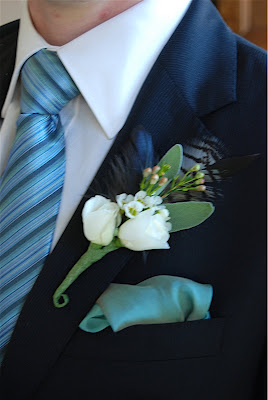
But you can say, “Use white spray roses because they remind me of the boutonniere I made for my friend’s bird-themed wedding.”
AI can say, “Create favor tags.”
But you can say, “Tie each tag with blue ribbon because blue has been part of our wedding story from the beginning.”
AI can say, “Make a seating chart.”
But you can say, “Use vintage frames from my mother’s house because it feels meaningful.”
That is where the magic happens.
A Sample AI Wedding Planning Workflow
Here is how I would use AI if I were planning a handmade wedding today.
First, I would ask AI to help define the wedding style.
“I want a romantic handmade wedding with soft blue, ivory, sage green, candles, simple flowers, and personal details. Create a style description, color palette, and list of decoration ideas.”
Second, I would create a budget.
“Our total budget is $18,000 for 90 guests. Create a budget breakdown with ways to save money through DIY and smart vendor choices.”
Third, I would create a project list.
“List DIY wedding projects that are beginner-friendly, affordable, and realistic. Separate them into easy, medium, and risky.”
Fourth, I would create a shopping plan.
“Create a shopping list for DIY signage, table numbers, welcome table decor, and simple centerpieces.”
Fifth, I would create vendor emails.
“Write an email to ask a florist for a simple package using seasonal flowers and greenery.”
Sixth, I would create a timeline.
“Create a 12-month wedding planning timeline for a handmade wedding with limited budget.”
Seventh, I would create wedding wording.
“Write warm, romantic, and simple wording for our wedding website.”
Eighth, I would check for stress points.
“What parts of this plan may become stressful or expensive, and how can I simplify them?”
That final question may be the most important.
A beautiful plan is not enough. It also needs to be realistic.
The Future of Weddings Is More Personal, Not Less
Some people worry that AI will make weddings feel less creative.
I actually think the opposite can be true.
Used well, AI can give couples more freedom. It can reduce the time spent on boring tasks so there is more energy for meaningful details. It can help couples understand budgets before overspending. It can help small-budget weddings look more polished. It can help DIY brides avoid projects that are too expensive, too time-consuming, or too stressful.
AI can also make wedding planning more accessible for couples who cannot afford full-service planning support.
But the best weddings will still be human.
The laughter while making favors with your sisters. The imperfect handwritten note. The flower your mother helped choose. The private joke hidden in the ceremony program. The song that makes everyone cry. The tiny handmade detail that only a few people notice, but means everything to you.
That is the real wedding.
AI can help with the planning, but love is still the designer.
Final Thoughts
As I come back to this blog, I feel excited because wedding planning has entered a completely new season.
We still have flowers, ribbons, candles, dresses, favors, invitations, and centerpieces. We still have family opinions, budget decisions, seating charts, and late-night planning sessions.
But now we also have tools that can help us move faster, think clearer, and spend more wisely.
For brides planning handmade weddings, this is a beautiful opportunity.
You do not have to choose between personal and practical. You can have both.
You can use AI to organize the work, reduce stress, compare costs, write the emails, shape the timeline, and brainstorm ideas. Then you can use your own hands, taste, memories, and love to make the wedding feel deeply personal.
That is the kind of wedding planning I want to talk about here.
Less pressure.
Less waste.
Less emotional stress.
More creativity.
More meaning.
More joy.
And maybe, with a little help from AI, more brides can finally feel like wedding planning does not have to take over their whole life.
It can simply become what it was always meant to be: a beautiful beginning.
- Get link
- X
- Other Apps
Comments