Groom and groomsmen
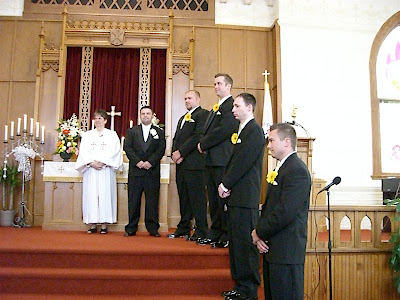
The groom had a white gerbera daisy boutonnière, while the groomsmen and fathers had yellow.
How to Stay Organized, Look Sharp, and Enjoy the Wedding Day
Wedding planning often places most of the visual attention on the bride and bridesmaids, but the groom and groomsmen have their own important role in shaping the day.
They help set the tone before the ceremony, support the groom when nerves begin to rise, keep the schedule moving, welcome guests, participate in photographs, and often handle practical tasks that nobody else has time to manage.
When the group is prepared, the wedding morning can feel relaxed and memorable. When nobody knows where to be, what to bring, or who is responsible for the rings, the smallest problem can quickly become stressful.
The good news is that being a great groom or groomsman does not require perfection.
It requires communication, preparation, and the willingness to take responsibility before someone has to ask.
These groom and groomsmen tips cover the details that make the biggest difference, from choosing suits and planning transportation to preparing speeches, managing photographs, and supporting the couple throughout the day.
Start With Clear Expectations
Not every wedding party works the same way.
Some groomsmen are deeply involved in planning events, setting up decorations, and coordinating transportation. Others are expected mainly to attend the rehearsal, arrive on time, wear the correct outfit, and stand beside the groom.
Neither approach is wrong, but everyone should understand what is expected.
The groom should share the basic information early:
Wedding date
Ceremony and reception locations
Rehearsal date and time
Suit or tuxedo details
Purchase or rental deadlines
Estimated costs
Travel expectations
Bachelor party plans
Wedding-day arrival time
Assigned responsibilities
Do not assume that everyone has read every group message or remembers a detail mentioned several months ago.
Important information should be organized in one place.
A shared document, group chat, or simple email can work well. The goal is to make the information easy to find without asking the couple the same questions repeatedly.
Choose Groomsmen Thoughtfully
Wedding parties do not need to be perfectly matched by number.
Choose people based on the relationship rather than the appearance of the ceremony lineup.
A good groomsman is someone who is reliable, supportive, respectful, and willing to participate. He does not need to be the groom’s oldest friend or closest relative if the relationship no longer feels meaningful.
Consider whether each person can reasonably manage the financial and time commitment.
Being a groomsman may involve:
Formalwear
Travel
Hotel costs
Rehearsal attendance
Bachelor party expenses
Gifts
Time away from work
If a friend cannot afford or manage those responsibilities, that does not mean the friendship matters less.
The groom can still include that person in another way, such as asking him to do a reading, help with music, greet guests, or participate in a smaller pre-wedding gathering.
Order the Suits Early
Formalwear delays create unnecessary stress.
Whether the group is buying suits, renting tuxedos, or wearing clothing they already own, begin the process early.
The groom should decide:
Suit or tuxedo
Color
Shirt
Tie or bow tie
Shoes
Belt or suspenders
Socks
Pocket square
Boutonniere
Accessories
If everyone is ordering from the same company, confirm the deadline for measurements, payment, and pickup.
Ask each groomsman to try on the complete outfit well before the wedding.
A jacket may fit while the pants are too long. Shoes may be uncomfortable. A shirt collar may be too tight once the tie is added.
Alterations should not be saved for the final week.
The groom should also try on his entire outfit together, including shoes and accessories. Individual pieces may look good separately but feel mismatched when combined.
Make the Groom Look Distinct
The groom’s outfit should coordinate with the groomsmen without disappearing into the group.
Small differences can create distinction without making the wedding party look inconsistent.
The groom might wear:
A different tie or bow tie
A special boutonniere
A different vest
A white jacket
A darker or lighter suit
A unique pocket square
Personalized cuff links
A family watch or meaningful accessory
The difference should feel intentional.
For example, the groomsmen may wear navy suits with dusty blue ties, while the groom wears the same suit with an ivory tie and a more detailed boutonniere.
This helps guests identify the groom immediately and creates better photographs.
Do Not Ignore the Shoes
Shoes are often chosen late, but they affect both appearance and comfort.
The group should agree on the style and color.
If the wedding is formal, polished black or brown dress shoes may be appropriate. A more relaxed outdoor wedding may allow loafers, boots, or clean sneakers.
Whatever the choice, wear the shoes before the wedding.
New shoes can cause blisters, especially during a long day of standing, walking, and dancing.
Bring:
Blister bandages
Extra socks
Shoe wipes
A small polishing cloth
Comfortable backup shoes for later
Check the soles as well. Smooth dress shoes can become slippery on polished floors, stone paths, or wet grass.
Schedule Haircuts at the Right Time
A haircut the morning of the wedding may feel efficient, but it leaves no time to fix a mistake.
Most grooms and groomsmen should schedule haircuts several days before the event.
That allows the style to settle while still looking fresh.
Anyone planning a significant haircut, beard change, or new grooming style should test it well in advance.
The wedding week is not the ideal time to try a completely different look.
Beards should be trimmed intentionally rather than quickly cleaned up at the last minute.
Bring basic grooming supplies to the getting-ready location:
Comb or brush
Hair product
Razor
Beard trimmer
Deodorant
Breath mints
Facial tissues
Lint roller
Fragrance
Hand lotion
Use fragrance lightly. A small getting-ready room filled with several strong colognes can quickly become uncomfortable.
Plan the Wedding Morning
The wedding morning should have a simple schedule.
Without one, people arrive at different times, clothing remains unpacked, and the photographer waits while someone searches for a belt.
Build in more time than seems necessary.
The schedule might include:
Breakfast or lunch
Showering
Grooming
Getting dressed
Detail photographs
Group photographs
Transportation
Quiet time before the ceremony
Everyone should know the fully dressed deadline, not only the ceremony time.
If photographs begin at 1:30 p.m., the group may need to be dressed by 1:00 p.m.
Do not plan a long golf game, bar visit, or complicated outing on the wedding morning unless the schedule truly allows it.
The day already contains enough movement.
A relaxed breakfast and a few quiet hours together may create better memories than rushing back from another activity.
Eat and Drink Water
Nerves can make people forget to eat.
Alcohol can also appear early in the day, especially when the wedding party is getting ready together.
A celebratory drink may be fine, but food and water should come first.
Arrange a real meal or substantial snacks.
Good options include:
Sandwiches
Wraps
Fruit
Granola
Eggs
Bagels
Rice bowls
Protein snacks
Water
Electrolyte drinks
Avoid extremely greasy food, messy sauces, or anything likely to stain formalwear.
The groom should not reach the ceremony feeling lightheaded, dehydrated, or overly affected by alcohol.
Assign someone to make sure water remains available throughout photographs and transportation.
Keep the Getting-Ready Room Organized
The groom’s suite can become messy quickly.
Garment bags, shoes, food containers, luggage, and personal items may cover every surface by the time the photographer arrives.
Designate areas for:
Clothing
Shoes
Accessories
Food
Trash
Personal bags
Photography details
Remove store tags, packaging, stickers, and plastic bags before the photographer begins.
Hang suits and shirts neatly.
Place watches, cuff links, tie clips, vows, rings, invitations, and other photographable details together.
A clean room creates better photographs and reduces the chance that something important disappears beneath a pile of clothing.
Assign Responsibility for the Rings
The rings should never move through the day without a clear owner.
Traditionally, the best man carries them, but any trusted person can manage the responsibility.
Use a secure pocket or small ring box.
Do not place loose rings in a shallow jacket pocket, open bag, or decorative box that is being passed between people.
Confirm the ring handoff during the rehearsal.
Ask:
Who has the rings before the ceremony?
When are they given to the officiant or best man?
Where are they stored during photographs?
Who checks that both rings are present?
The answer should never be, “Someone has them.”
One named person should be responsible.
Give the Best Man a Real Role
The best man’s role is more than standing closest to the groom.
He often becomes the main point of contact for the groom’s side of the wedding party.
Useful responsibilities may include:
Confirming groomsmen arrival
Holding the rings
Keeping the timeline visible
Distributing boutonnieres
Helping the groom dress
Coordinating transportation
Carrying emergency supplies
Managing vendor payment envelopes
Giving the toast
Checking the getting-ready room after departure
Helping collect personal belongings
The best man should receive the wedding-day information before the final week.
Do not surprise him with several responsibilities on the morning of the wedding.
Prepare for Boutonnieres
Boutonnieres can be more difficult to attach than expected.
They may arrive with pins, magnets, clips, or no clear instructions.
Ask the florist how they should be worn.
Traditionally, a boutonniere is placed on the left lapel, near the heart.
If pins are used, someone should know how to secure the stem without damaging the jacket or leaving the flower loose.
Bring extra pins and floral tape.
Assign one person to help attach the boutonnieres so they are placed consistently.
Do not put them on too early if the flowers are delicate or the weather is warm.
Take Photographs Seriously
Wedding-party photographs move quickly when everyone listens.
The groom and groomsmen can help by:
Arriving on time
Keeping phones out of pockets
Removing keys and bulky wallets
Buttoning jackets correctly
Following the photographer’s directions
Avoiding side conversations
Remaining nearby until dismissed
Jackets are usually buttoned while standing and unbuttoned while sitting, although the photographer may give different instructions for a pose.
Check pockets for objects that create visible shapes.
Phone outlines, keys, and large wallets can distract from an otherwise polished photograph.
Sunglasses may work for a few fun pictures, but the group should also take photographs without them.
Write the Best Man Speech Early
A good best man speech does not need to be long.
Five thoughtful minutes are usually better than fifteen minutes of unrelated stories.
The speech should:
Introduce the speaker
Share one meaningful story
Say something positive about the groom
Welcome or recognize the spouse
End with a clear toast
Avoid stories involving:
Former relationships
Illegal behavior
Humiliation
Private family issues
Excessive drinking
Inappropriate details
Jokes that only a few friends understand
The best man should write the speech before the wedding week and practice it aloud.
A story that seems funny in private may feel uncomfortable in front of parents, grandparents, coworkers, and children.
The goal is to honor the couple, not perform a comedy routine at the groom’s expense.
Keep the Bachelor Party Within Reason
The bachelor party should reflect the groom’s personality rather than a stereotype.
It might be:
A weekend trip
Dinner
Golf
Sporting event
Cabin stay
Brewery visit
Game night
Fishing trip
Concert
Outdoor activity
Set the budget before making reservations.
Be honest about travel, lodging, food, and activity costs.
Nobody should feel pressured to spend beyond their means.
The bachelor party should also be scheduled far enough from the wedding that everyone has time to recover, manage travel, and return to normal routines.
Planning it the night before the rehearsal or wedding creates unnecessary risk.
Help With Guests and Family
Groomsmen may be asked to help guests find seats, direct parking, assist older relatives, or answer basic questions.
This is especially useful when there are no formal ushers.
They should know:
Ceremony location
Restroom location
Reception location
Reserved seating
Accessibility entrance
Parking instructions
Transportation plan
Main point of contact
A groomsman should not guess when answering a guest’s question.
If he does not know, he should direct the guest to the coordinator or designated family contact.
Manage Transportation Before the Wedding Day
Do not assume everyone will arrive together.
Confirm:
Who is driving
Who is riding in each vehicle
Where vehicles will be left
Whether transportation is provided
Hotel departure time
Venue arrival time
Reception transportation
End-of-night return plan
The driver should not be drinking.
If the wedding party will use a shuttle, limousine, or hired car, one person should confirm the pickup location and time.
Bring the driver’s or transportation company’s phone number.
A transportation delay can affect photographs, ceremony timing, and guest arrival.
Create a Groom’s Emergency Kit
A small emergency kit can solve many wedding-day problems.
Include:
Safety pins
Sewing kit
Stain remover
Fashion tape
Lint roller
Pain reliever
Bandages
Breath mints
Deodorant
Tissues
Phone charger
Extra socks
Shoelaces
Collar stays
Cuff links
Tie clip
Clear nail polish for small fabric runs
Basic medication
Snacks
Water
The best man or another responsible groomsman can carry the kit.
The groom should not have to manage it.
Support the Groom Emotionally
Not every useful responsibility is practical.
The groom may feel nervous, overwhelmed, emotional, or unusually quiet.
A good wedding party notices without making the moment more difficult.
The groom may need:
A quiet conversation
A few minutes alone
Help reviewing vows
A reminder to eat
Reassurance about the timeline
Protection from unnecessary questions
A calm presence before the ceremony
Avoid teasing him for being nervous.
A wedding can carry enormous emotional weight, even for someone who normally appears relaxed.
The groomsmen should create steadiness rather than chaos.
Protect the Couple From Unnecessary Problems
On the wedding day, small issues should not automatically reach the couple.
A missing sign, delayed guest, or minor transportation change can usually be handled by the coordinator, best man, or family contact.
The groomsmen should know who has decision-making authority.
Contact the couple only for matters involving:
Safety
Legal documents
Serious family emergencies
Major vendor failures
Significant schedule changes
Important financial decisions
The groom should not be interrupted during photographs because someone cannot find a box of programs.
Good support means solving manageable problems quietly.
Remember That Groomsmen Are Guests Too
The wedding party has responsibilities, but the groomsmen are also there to celebrate.
Once the ceremony, photographs, and formal duties are complete, they should enjoy the reception.
They can help create energy on the dance floor, include guests who seem alone, and keep the celebration moving without becoming the center of attention.
They should remain respectful of the venue, staff, family members, and other guests.
Excessive drinking, inappropriate speeches, arguments, and disruptive behavior can quickly overshadow the support they offered earlier.
The goal is to celebrate fully without creating a problem someone else must solve.
Finish the Night Responsibly
Before leaving, the best man or assigned groomsmen may need to help with:
Collecting the groom’s belongings
Returning rental suits
Moving gifts or cards
Checking the getting-ready room
Confirming transportation
Taking leftover food
Helping with cleanup
Returning keys
Making sure everyone has a safe ride
These responsibilities should be assigned before the reception begins.
Do not expect someone to remember a complicated cleanup task after several hours of celebration.
The Best Wedding Party Makes the Day Easier
The groom and groomsmen do not need to control every detail.
Their role is to support the celebration.
They arrive prepared.
They wear the correct clothing.
They follow the timeline.
They take photographs seriously.
They help guests and family members.
They protect the groom from unnecessary stress.
They celebrate without creating extra work.
Those actions may not be the most visible parts of the wedding, but they shape how the day feels.
A strong wedding party creates calm in the background.
The groom can focus on the ceremony, the person he is marrying, and the people who came to celebrate.
The groomsmen can enjoy being part of an important moment without wondering what they are supposed to do next.
That is what good preparation creates.
Not a perfectly controlled wedding day, but a group of people who are ready, present, and willing to help when it matters.
Comments